Both tools connect apps and move data between them. The difference that matters is the pricing model, and it only bites once you run enough automation for the model to matter.
The two models
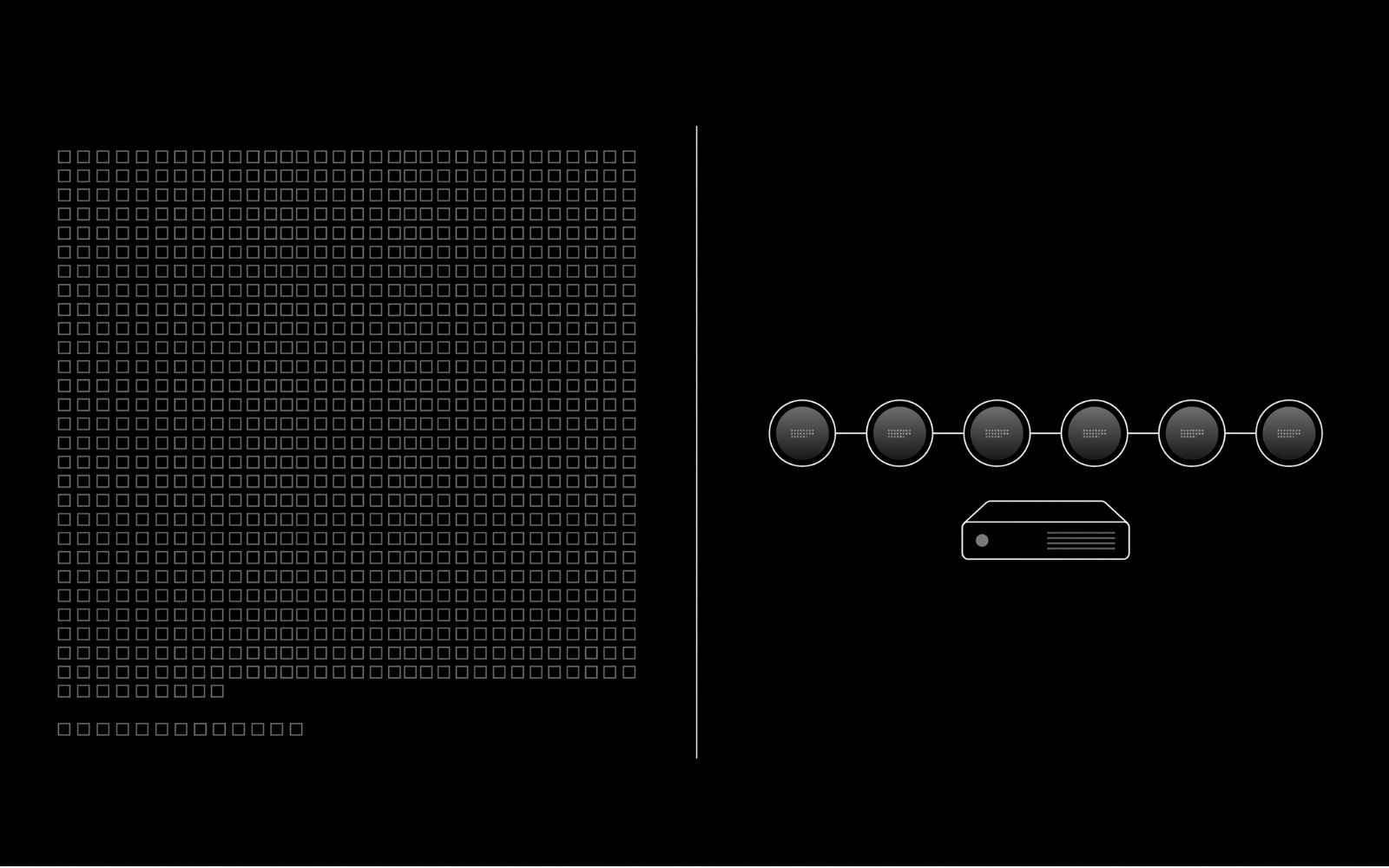
Zapier charges per task. Every action in every workflow counts. Fifty leads a day through a five-step workflow is 7,500 tasks a month, which is a long way from the free tier.
Self-hosted n8n charges you for a server. A small VPS runs tens of thousands of executions a month for the price of a few coffees. Workflow count and task count are not billing events.
Where the crossover sits
| Volume | Practical reading |
|---|---|
| Under about 1,000 tasks a month | Stay on Zapier. The saving does not pay for the setup. |
| 1,000 to 5,000 | Worth modelling. Depends more on how many connectors you need than on price. |
| Over about 5,000 | Self-hosting usually wins clearly, and keeps winning as you grow. |
That is the honest shape of it. Anyone telling you to migrate at 200 tasks a month is selling a migration.
- 7,500
- Tasks a month from 50 leads a day
- ~5,000
- Where self-hosting starts winning
- 70–90%
- Typical saving after migrating
What self-hosted looks like when it runs
My own instance is the reference: 27 workflows on a self-hosted n8n at my own domain, 12,424 production runs at a 0% failure rate and an 8.5 second average. Every one of those runs would have been a billed task on Zapier. The instance overview is in the case study, screenshot included.
If you want that setup rather than the DIY afternoon, the published rates are $350 setup plus $150 a month for n8n Cloud, or $450 setup plus $150 a month self-hosted on your server. The monthly is not just upkeep — it builds new workflows as you need them. Details on the n8n setup service.
What you give up
- Connector count. Zapier supports more apps. n8n covers the common ones and has a generic HTTP node for the rest, which is capable and is not point-and-click.
- Somebody else's uptime. Self-hosting means the server is yours. It needs updates, backups, and monitoring.
- Instant setup. A Zap takes ten minutes. A self-hosted instance takes an afternoon before the first workflow exists.
What you gain besides money
Data residency, mainly. With self-hosted n8n the data stays on infrastructure you control, which matters to anyone with contractual limits on where customer records travel.
You also get workflows that are yours: exported JSON, version-controlled if you want, running on your server. No account to lose access to.
On compliance, be precise. n8n publishes GDPR, SOC 2 Type 2, and SOC 3 documentation. It does not offer a business associate agreement, so it is not a route to HIPAA-covered workflows, self-hosted or otherwise. If protected health information is involved, that is a conversation with a lawyer before it is a conversation with a developer.
The migration itself
Most Zaps map onto n8n nodes fairly directly. The work is in the exceptions. An app with no n8n node needs building against its API, and anything relying on Zapier's built-in formatting needs rewriting.
Budget one to two weeks for a typical small-business set of workflows, and run both in parallel for a week before switching anything off.
See n8n automation for what a build includes, or what to automate first if you are earlier than that.