Two new acronyms for one old idea: write pages that answer a question so clearly a machine can lift the answer without mangling it. What changed is the machine, and what it does with your page afterwards.
What is actually different
Classic search sends a visitor to your page. An AI assistant reads your page and answers the question itself, sometimes citing you and sometimes not. You are no longer competing for a click. You are competing to be the source.
That changes what a good page looks like. Length and keyword density matter less. Being unambiguous, specific, and attributable matters more.
The habits that work
Answer in the first paragraph
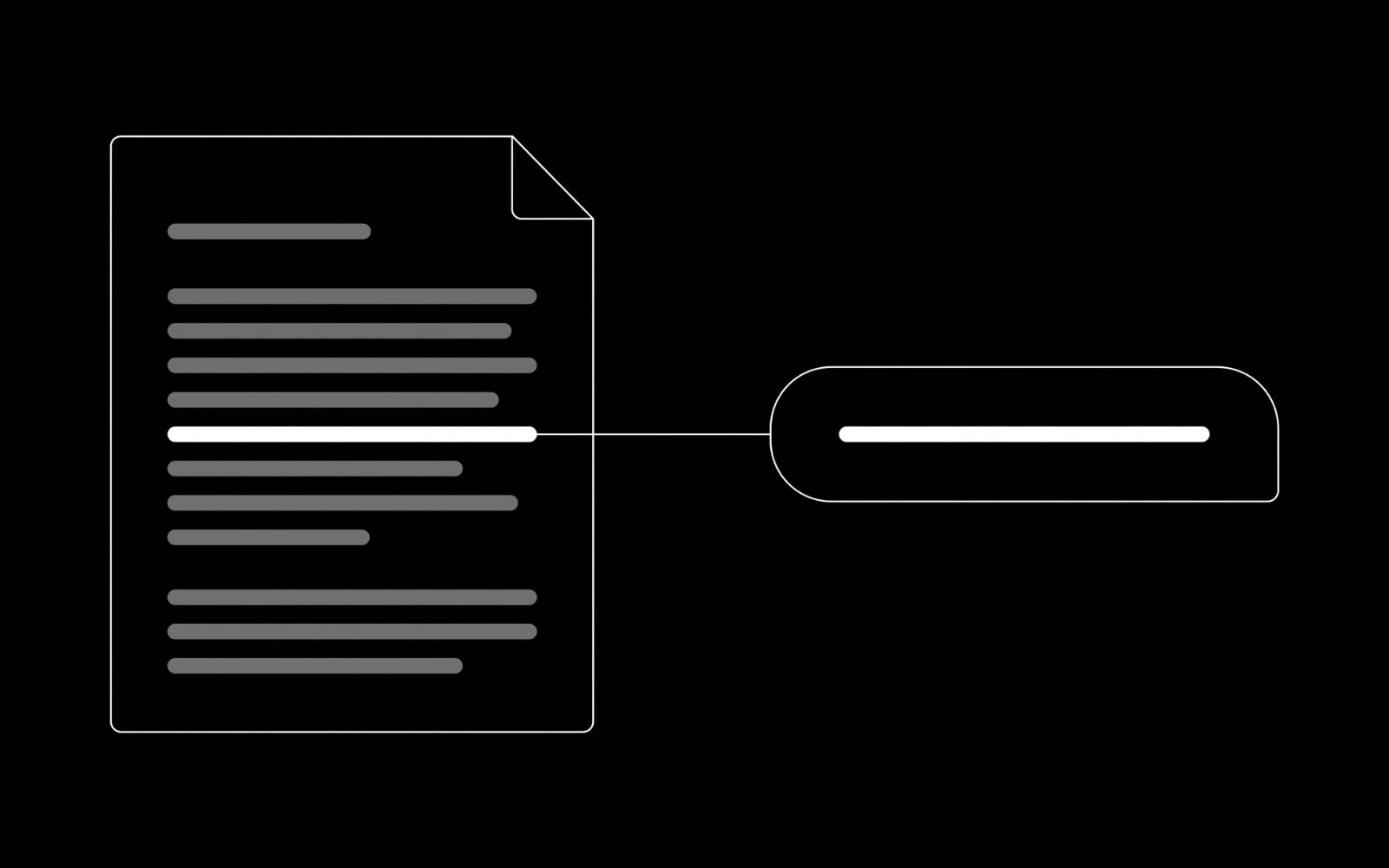
Put a 40 to 60 word answer directly under the heading, written so it survives being pasted somewhere else with no surrounding context. If it opens with a windup about how many factors are involved, it will never be quoted.
Use questions as headings
"What does a capability statement cost?" beats "Pricing" as an H2. It matches how people phrase things to an assistant, and it hands the model a clean unit to extract.
Publish real numbers
Prices, page counts, timelines, file formats. Vague pages do not get cited because there is nothing in them to cite. This is the single biggest differentiator, and most competitors will not do it. I practice it on this site: every service page carries its full price table, and posts like the annual report pricing guide publish the same figures a client would be quoted.
Make schema match the visible text
FAQPage markup whose answers differ from the page is worse than no markup at all. Generate both from one source so they cannot drift apart.
Be attributable
A named author, a real business entity, consistent details across your site and your profiles. Models weight content they can attribute to somebody over content that could have come from anywhere.
What does not work
- Stuffing "AI" into headings. The models read meaning, not the word.
- Long introductions before the answer. Nothing above the answer helps you.
- Rewriting existing pages with no new information. A restated page is not a better source.
- Anything that hides text from readers but shows it to crawlers. That has been a penalty for twenty years and still is.
None of this replaces technical SEO. A page nothing can crawl and nothing links to will not be cited either. GEO is a layer on a working foundation, not a substitute for one.
How to tell whether it is working
Ask the assistants. Type the questions your buyers ask into ChatGPT, Claude, Perplexity, and Google AI Overviews once a month and record who gets named. It is manual, and right now it is the only measurement that means anything.
Watch referral traffic from chatgpt.com and perplexity.ai in analytics too. The volumes are small. The intent is unusually high.
See search engine optimization for how this gets applied to a whole site, or the Google Business Profile results for healthcare practices for the same principle working on the map instead of the page.